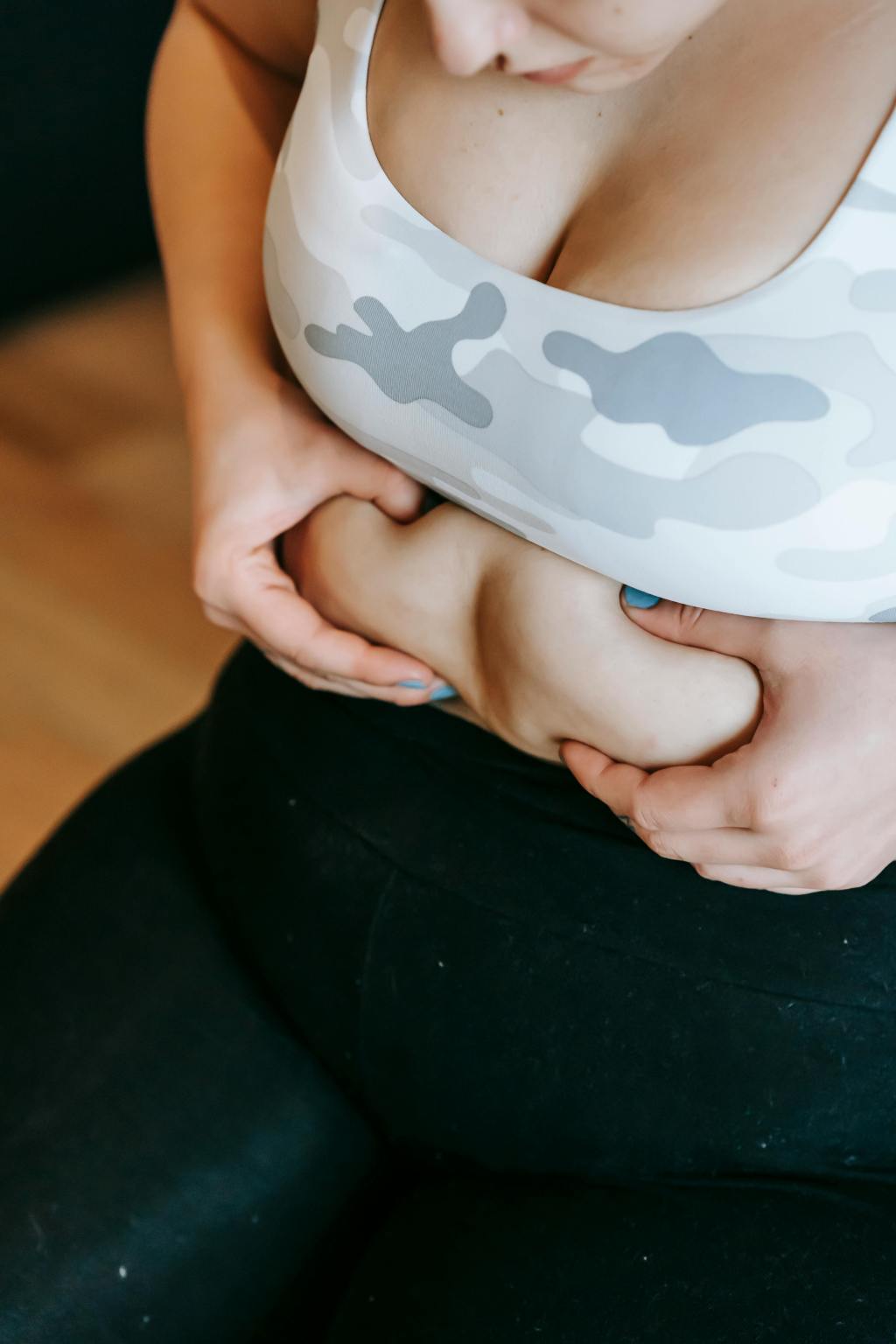
Earlier in this blog, we explored the challenges of medical “fat phobia” during doctor’s appointments. As an obese woman, one condition that often comes up in my visits is polycystic ovary syndrome (PCOS). When it comes to women’s health, PCOS is one of those conditions that usually gets oversimplified or misunderstood. I have dealt with the confusion and frustration of fitting into a diagnosis without officially being diagnosed, and how my symptoms have gone unanswered or told is only because of my weight.
What is PCOS?
Polycystic ovary syndrome (PCOS) is a hormonal disorder affecting approximately five million women. According to the CDC, PCOS can cause irregular periods, excess male hormone levels, and small cysts on the ovaries.
The most common symptoms include:
- Irregular periods: might miss periods or have fewer than eight periods a year
- Excess facial hair growth due to high androgen levels
- Weight gain or difficulty losing weight due to insulin resistance
- Thinning hair: PCOS-related hair loss on the scalp
- Acne from hormonal imbalance
Even though not every woman with PCOS is overweight, there is a strong correlation between PCOS and obesity. I’ve noticed some of these symptoms in myself over the years—excess facial hair, food cravings, and hair thinning—but it never connected to PCOS until much later. I remember thinking that facial hair was just part of being Indian since many women who share my heritage have similar traits. The hair loss? I attributed that to stress or maybe thyroid issues since I’d read about those symptoms before.
It wasn’t until my pediatrician suggested testing for PCOS that I began to consider the diagnosis.
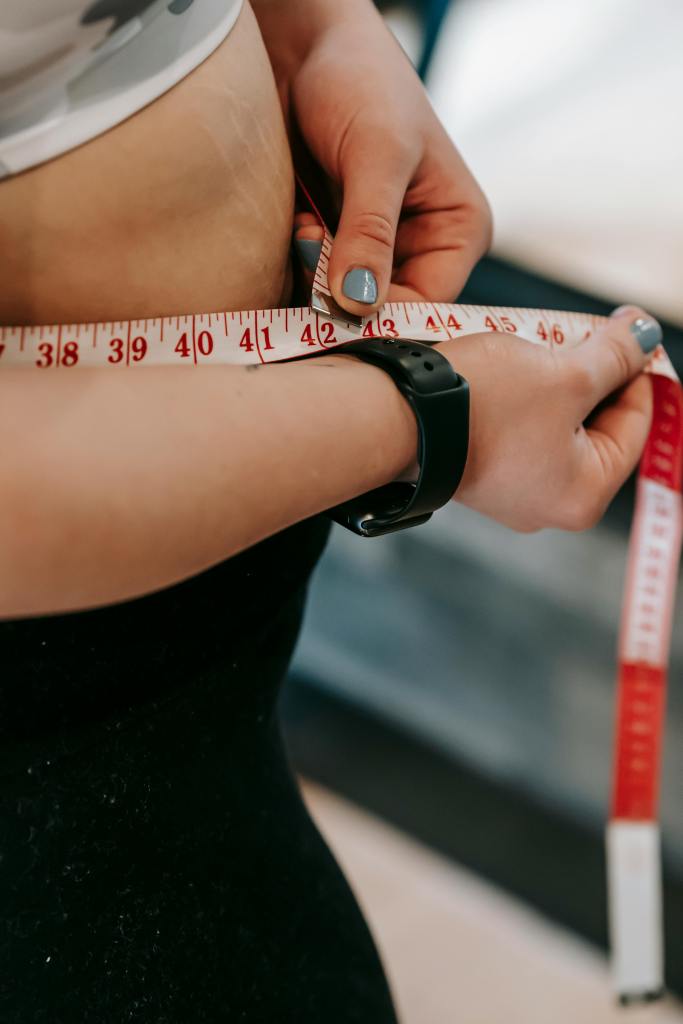
Weirdly, my results came back negative, which left me confused. I didn’t realize that PCOS isn’t the same for everyone. For example, I have regular periods, which is often used as a reason to rule it out altogether.
Diagnosing PCOS can be important in understanding your body. Without it, you’re left guessing why you experience certain symptoms, and weight loss can feel like it’s impossible to achieve. According to Northwestern Medicine, early diagnosis and management can reduce complications like:
- Type 2 diabetes
- Heart disease
- Infertility
- Depression and anxiety
- Endometrial cancer
While I don’t have an official PCOS diagnosis, many of the challenges women with PCOS face—like weight struggles and feeling unheard by medical professionals—resonate with me. It still feels like I’ve been walking in those shoes for years, wondering why my body behaves in specific ways and why it’s so hard to get the proper treatment. It’s a frustrating place to be, and I know I’m not alone.

You don’t need to be diagnosed with PCOS to relate to the feeling of being misdiagnosed or not listened to when it comes to your health concerns.
Nonetheless, it is crucial to get a diagnosis if you have PCOS. Without it, you’re left guessing why your body is not cooperating with you. You try everything to manage your weight and your symptoms; when nothing works, you feel like a failure. A diagnosis can lead you towards the correct treatments that will actually make a difference. For example, losing weight with PCOS isn’t as simple as just eating less and exercising more. You have to remember that your hormones are working against you.
Living with PCOS can be taxing, but treatment and lifestyle changes can make a big difference.
Here’s what the Office of Women’s Health suggests:
- Lifestyle changes
- Focus on a balanced diet
- Regular exercise can help with insulin sensitivity, weight management, and mood improvement
- Medical treatment
- Birth control pills
- Metformin
- Fertility treatments
- Support and self-care
- Women with PCOS are at higher risk for anxiety and depression. The best way to deal with mental health is through therapy.
If you think you might be struggling with PCOS, don’t wait for someone to bring it up. Ask your doctor about PCOS and try to get the help you deserve.
Resources for women with PCOS:
American Society for Reproductive Medicine – Great resource to learn more facts about PCOS
PCOSAA – Nonprofit organization advocating for PCOS awareness.
Tallene Hacatoryan – PCOS weightloss Instagram page. Gives advice to women with PCOS on how to lose weight, reverse the symptoms, and continuously educate themselves.
Cory Ruth – Women dietitian with recipes to help with PCOS
Doctor Natalie Underberg – Doctor helping women who have PCOS get pregnant




 In Full Figure
Leave a reply to hannahd913 Cancel reply