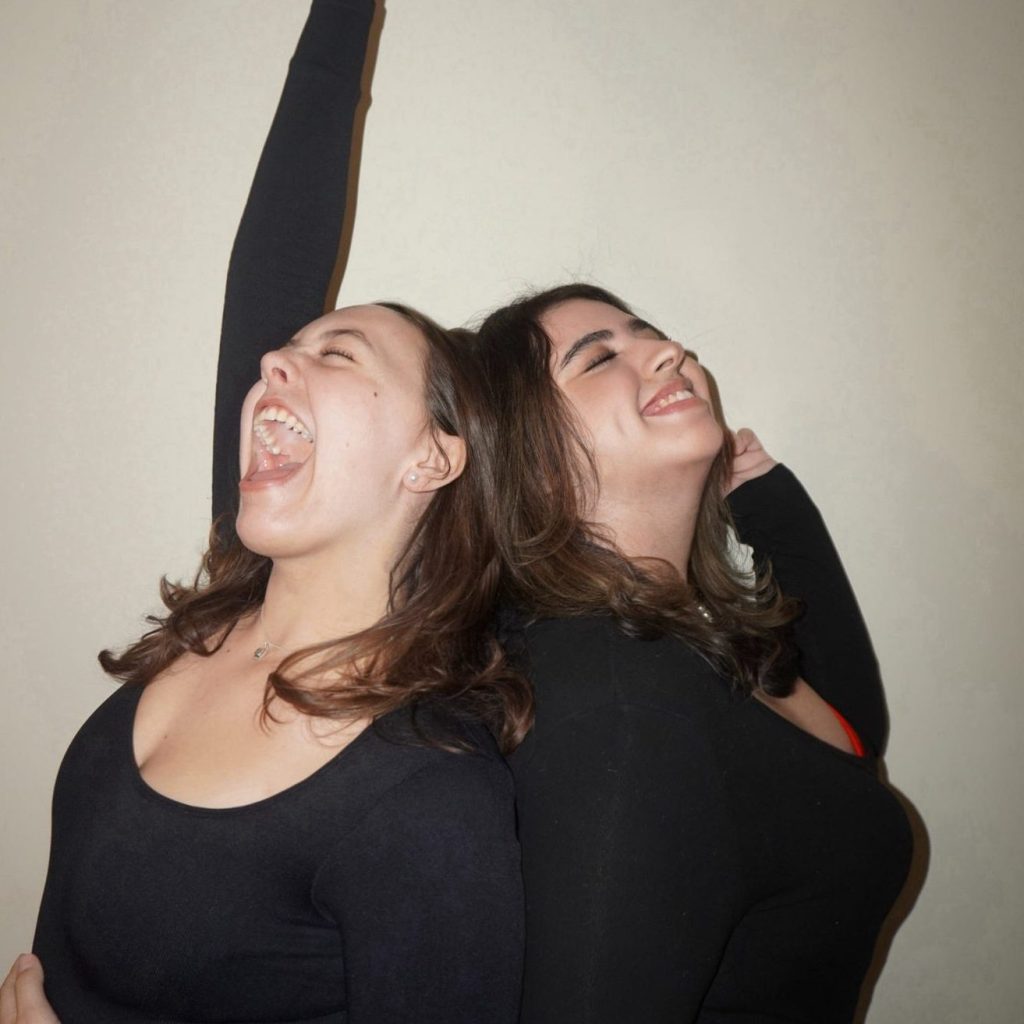
There’s a song I love called Fat Funny Friend by Maddi Zahm. If you haven’t listened to it yet, I highly recommend it. In fact, it is currently playing as I write this post.
The song perfectly captures the quiet thoughts and insecurities that often float through my mind when I think about my relationships with my friends. It made me wonder: Do those thoughts have any truth to them, or are they just my own insecurities?
I recently found myself reflecting on these questions during the Eagles’ NFC Championship celebration. Thousands had swarmed Broad Street and were heading for City Hall—something I wanted to be a part of but was physically struggling to endure. As the night went on, my body began to give out. But it was late, and going home alone wasn’t exactly a safe option. So, I pushed through, even though every step became more difficult.
Trying to explain what I was going through to my friends was even more challenging. They didn’t share the same experience; they could keep going without needing any breaks. I was frustrated—angry at my body for not being able to keep up and at my friends for not understanding that I simply couldn’t walk faster to catch up with them. All I could think about was how much of a burden I must have been that night.
This wasn’t my first time feeling out of place with my friends. When I go out with my girls (typically to a bar or party), inevitably, guys will come up to talk and flirt with them. In those moments, I become invisible— I am entirely disregarded. My friends don’t intentionally exclude me from conversations, but they also don’t make an effort to include me. I’ve told myself that I don’t mind, but deep down, I feel like a ghost, existing outside of their spotlight.
I often wonder if my insecurities stem from the fact that my friends are attractive or if there’s something deeper—maybe I’m subconsciously drawn to them because I share the same fatphobic mindset of wanting to surround myself with thinner and more beautiful women. Or maybe I just admire their confidence, beauty, and the way they can effortlessly fit into spaces where I will never be able to squeeze in.
One of my best friends, Hannah Desmond, helps me challenge those assumptions. We’ve been friends for two years through our sorority. Being friends with someone like me—who is obese—has made her more reflective of my perceptions of our dynamic.
“It’s not like I’m walking on eggshells, but I do find myself second-guessing certain things I say.”
For example, she loves outdoor activities like hiking. Yet when she’s planning those with me, she hesitates to suggest them.
“I don’t know if it’s because I assume you don’t want to or if it’s because I don’t want you to feel pressured—it’s probably a mix of both. I feel bad assuming, but I also don’t want to put you in a situation where you’re uncomfortable.”
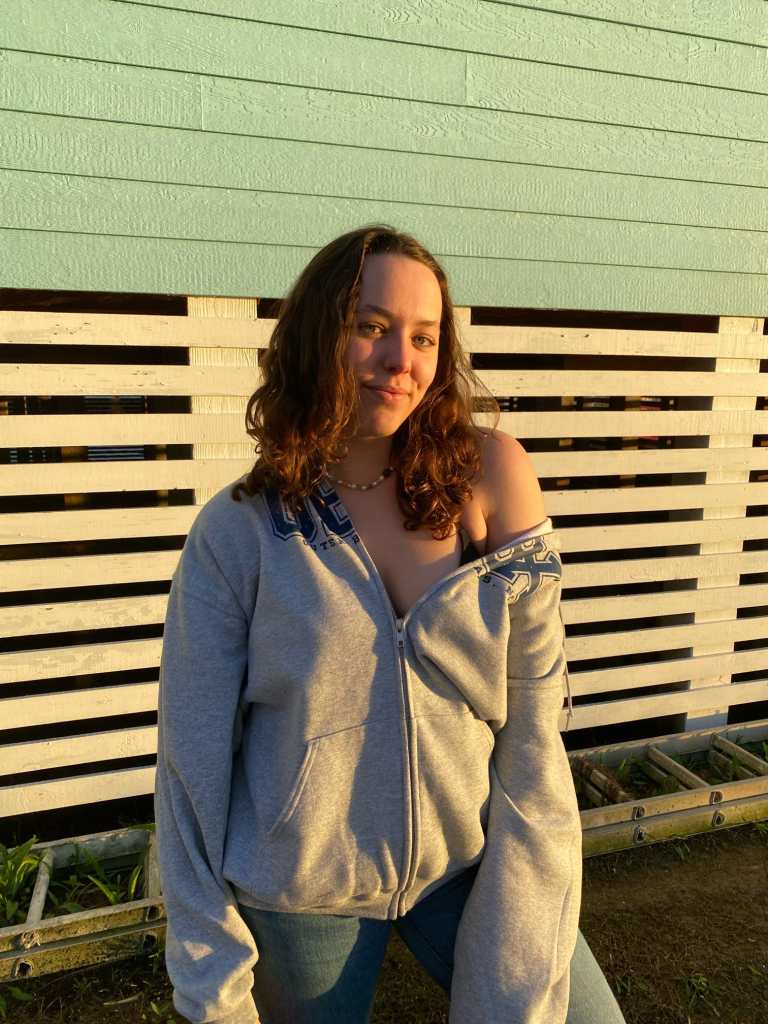
I mean, she’s not wrong. I clearly couldn’t walk to City Hall, so what makes me think I’ll even like hiking? However, her comment still left me wondering: Is she limiting me by not asking, or is she being considerate? It’s a mental struggle neither of us have resolved.
Our friendship exists in the context of my insecurities and how they shape my perception of how friends view me. But it’s also opened space for deeper conversations. Being honest about my own insecurities led Hannah to reflect on her own relationship with her body. While she does identify with being mid-sized and doesn’t fixate on her body image as much as she once did, being around me has made her more aware of how we talk about appearance.
“I don’t want to say something like, ‘This dress makes me look fat,’ and have it come off the wrong way. It’s not about censoring myself; it’s about not wanting to add to your struggles. But sometimes I wonder if I’m just overthinking it.”
When I joke about my weight, Hannah says that she sometimes feels frustrated.
“I get that it’s your way of coping, but I just wish you could see yourself the way I see you. You’re funny, kind, and supportive—that’s what matters.”
It’s honestly hard to hear someone genuinely compliment you. As much as compliments that have to do with your personality and characteristics are more impactful, never hearing compliments on your looks and appearances just makes you feel all the uglier. Then, when someone does compliment your looks, you can never accept it. You’ll think the compliment is insincere. So, if you’re someone like me, you’ll show your insecurity with self-deprecating jokes in order to make the other person laugh. Sometimes, I don’t even think I’m funny; I just make fat jokes about myself.
One of the hardest questions I’ve ever asked Hannah was, “Do you think being friends with me makes you look better by comparison?”
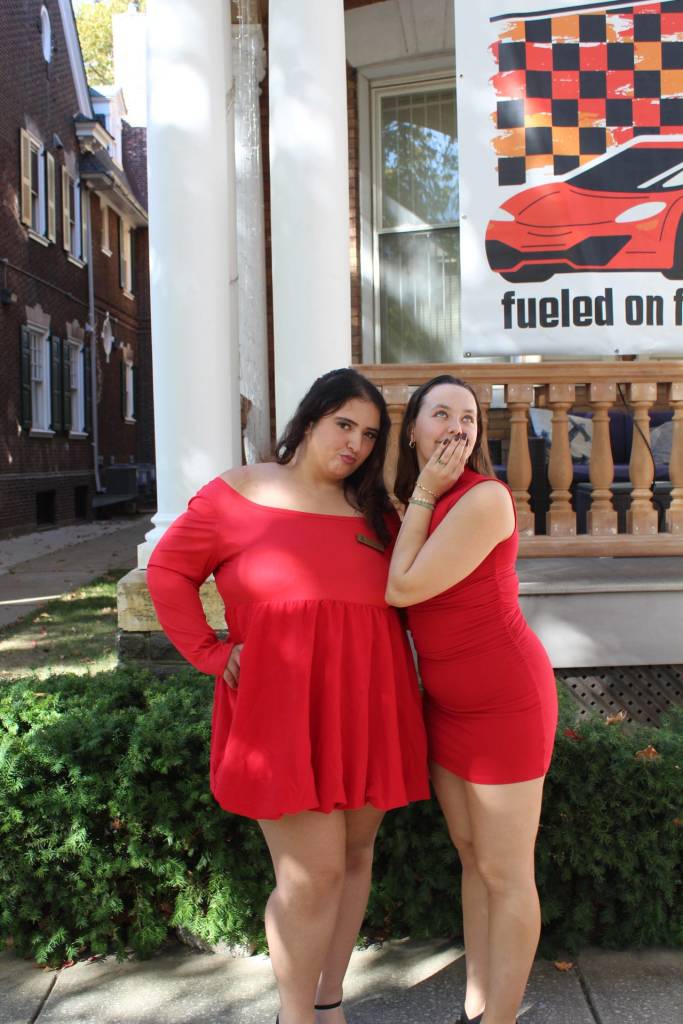
The question caught her off guard. At first, she dismissed it entirely. “No, absolutely not,” she said. Later, she admitted she wondered if there might be some subconscious truth to it. Was part of her more comfortable with me because I made her feel better about herself?
“It’s not that I think about it consciously,” she explained, “but maybe there’s a comfort in knowing that, with you, I don’t have to try so hard and can just be myself.”
Hannah has acknowledged that being friends with me isn’t always easy.
“It’s frustrating to see you struggle with things that don’t matter. But it’s also made me more aware of how deep-rooted these biases are—even in myself.”
It’s hard to admit that I sometimes project my insecurities onto others. When I comment about my weight, I might unintentionally make someone conscious of it when they weren’t even thinking about it to begin with.
I’m learning to change this mindset. I’m not saying my friends think this way. I’m saying that I think that they think this way. That’s an important distinction.
While our insecurities feel all-consuming, I recognize that they don’t always reflect reality. Sometimes, having difficult conversations with your friends can be helpful in clarifying that the assumptions you carry don’t reflect your friends’; they reflect yours.




 In Full Figure
Leave a reply to hannahd913 Cancel reply