When I was younger, I remember walking into the mall to find my prom dress, just like every high school girl looks forward to. Unfortunately, every prom store I visited never carried my size or was way out of my budget.
Let me be honest – shopping in malls is probably one of my least favorite activities. Every time I go, I leave disappointed, frustrated, and, best of all – empty-handed. That’s why I do most of my shopping online, using brands like Shein and Fashion Nova or even just buying some clothes from Amazon. As a young adult, I want trendy, flattering, and affordable clothes. But when you’re plus-size, the options are limited, and you’re sometimes left with having to sacrifice quality for price or fashionability.
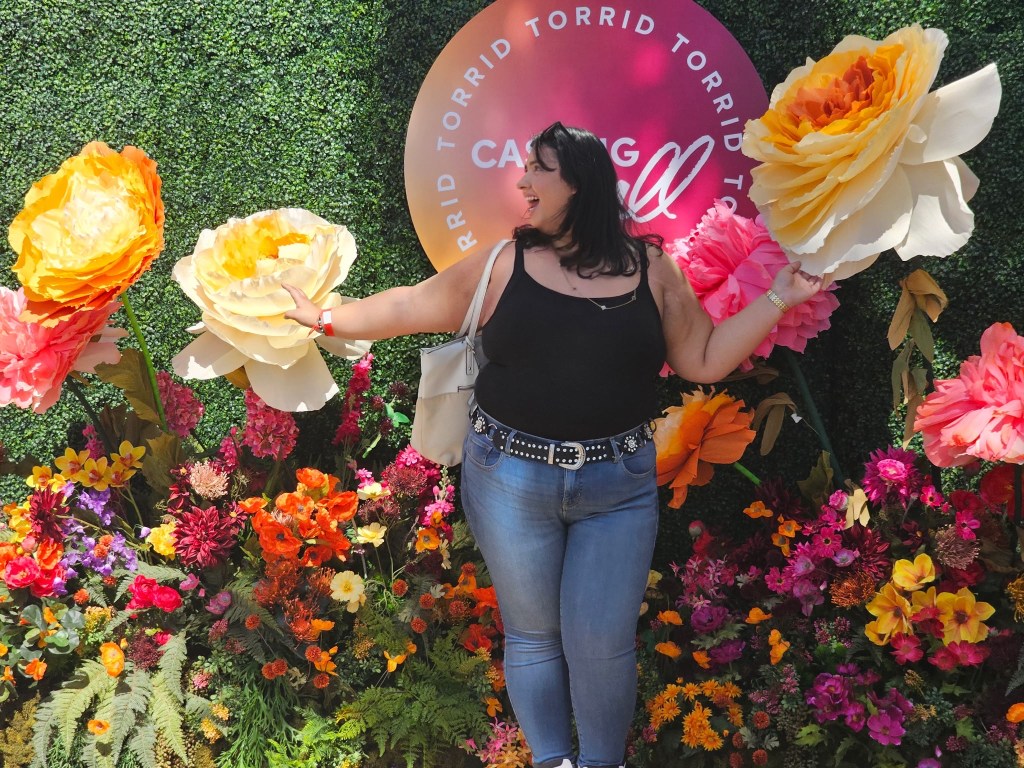
People will argue that we have so many plus-size-only stores. Take Torrid, for example. It’s one of the few stores that dedicates itself to plus-size fashion, but it’s not always affordable. I went into the store recently, and a single blouse was close to $70. Online, there may be sales, but it just goes back to restricting plus-size shoppers to shop online.
Because prices are steep for plus-sized clothes, I – like many others – turn to fast fashion brands. That presents a serious downside. For those who don’t know, fast fashion focuses on rapid distribution: quantity over quality. Not to mention, it has significant consequences for the environment. Supporting fast fashion has other drawbacks, too. The clothes I order sometimes smell weird and use thin, see-through material that does not flatter my body. The material is so cheap that it often tears easily.
But let’s go beyond the material world of shopping. There’s this fatphobic mentality that blames people like me for needing plus-size clothing in the first place. Some people argue that stores shouldn’t make those options available because it would force us to lose weight. But if you want us to work out and be healthy, we must leave the house in what we feel comfortable wearing. So, shouldn’t there be options for our size in stores?
And let’s talk about how plus-size sections are treated in stores. Placing plus-size sections in retail stores says a lot about how they view their shoppers. I used to buy clothes at stores like Forever 21 all the time when I was younger. The trendy, fashionable clothes are all displayed in the front of the store. Meanwhile, the plus size section was hidden in the back, often right next to the clearance. And the styles? Totally different. Not the same trendy styles that were available in smaller sizes.
Don’t even get me started on Lululemon. I know a lot of women love Lululemon. Their workout gear, despite being expensive, is of fantastic quality. But knowing that the founder of this brand, Chip Wilson, openly stated that he was upset when the company started offering plus-size workout clothes made me so uncomfortable. I decided that, personally, I did not want to shop there. He said the brand was initially created for “skinny girls” and valued exclusivity more than inclusivity.
According to Carroll News, plus-size shoppers feel excluded because clothing stores aren’t prioritizing size inclusivity. Because of the lack of variety and the fact that the plus size section is pushed to the back, the shopping experience just becomes demoralizing. Even despite a store like H&M adding plus-size options in stores, the highest that their sizes really go to is 2XL. So, women who wear a 3XL or 4XL still have to shop online. Why stop at 2XL? And don’t give the bullshit excuse that it’s because the fabric is expensive. I’ve heard that enough times.
If the public is complaining about the fact that the rate of obesity has gone up, why haven’t the clothing options done the same? If the average person is getting larger, retail options need to have larger clothes. It’s not promoting obesity; it’s providing products to your consumer demographic! It’s so frustrating, I could scream!
Imagine going to a store, seeing racks of clothes you love, and being told that nothing in the store will fit you. That’s the reality for many people like me. When stores make it clear that my body isn’t welcome, it’s hard to justify a trip to the mall.
So, how should changes be made?
First, stop making plus-size sections an afterthought. The clothing needs to be just as trendy and stylish as the rest of the clothes. If you want to have a plus-size section, that’s fine, but keep the same designs and styles that are offered in the front, and make sure that the section isn’t pushed all the way in the back.
Second, retailers need to listen to their customers. They cannot just assume what people want. All they need to do is conduct focus groups with diverse demographics and get feedback from other body types and ethnicities.

Lastly, offer some plus-size options in stores instead of just online. It truly cannot be that hard. I should not have to go up to a sales associate, ask for a bigger size, and be told that I can only find them online.
Samyra, a TikTok creator, advocates for changing the lack of plus-size options in stores. She records her interactions with brand associates and asks if they carry plus-size options, with the highest usually going up to 2XL. She also records herself trying on clothes from branded plus-size stores like Lane Bryant, where she shows how they look on her body type. She even calls out the outrageous costs of a simple blouse.
I see on TikTok that many small businesses are stepping up and creating affordable and stylish clothing options. I see creators and these businesses using TikTok Shop to promote budget-friendly plus-size wear, which gives me hope.
Major retailers need to follow and prioritize inclusivity as more than just an afterthought but a standard.




 In Full Figure
Leave a reply to Brianna Sullivan Cancel reply