
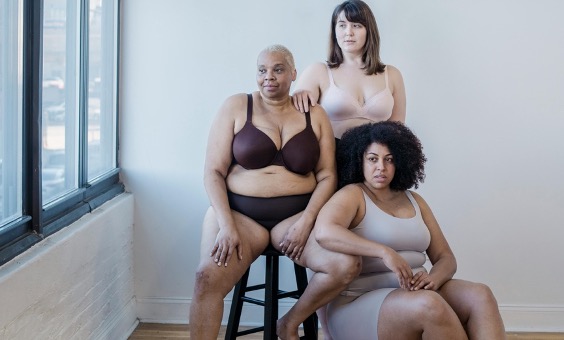
If you’re a plus-size woman scrolling or posting on social media, it can sometimes feel very frustrating. There are these picture-perfect representations of plus-size bodies: women who wear XL or XXL clothing but still have flatter stomachs, bigger breasts, and smoother curves. Then, there are videos of women trying on body shapers designed to mold their bodies into that same ideal. While social media has provided a platform for body positivity, it has also allowed for the proliferation of fat phobia disguised as concern.
The rise of body positivity influencers is a win, don’t get me wrong. Advocates like Ashley Graham have paved the way for plus-size women in industries that have excluded them for so long. Graham, the first plus-size model on the cover of Sports Illustrated 2016 swimsuit edition, has been an essential part of promoting body positivity. Except, it’s important to recognize that her body type is closer to the “acceptable” version of a plus-size body type. It still doesn’t represent the full range of plus-size bodies.
The fashion industry will market plus-size bodies as a trend, focusing on idealized versions of larger bodies rather than embracing the diversity of existing shapes and sizes. Don’t let them fool you into thinking this limited representation is progress; it’s only a tiny step in the right direction.
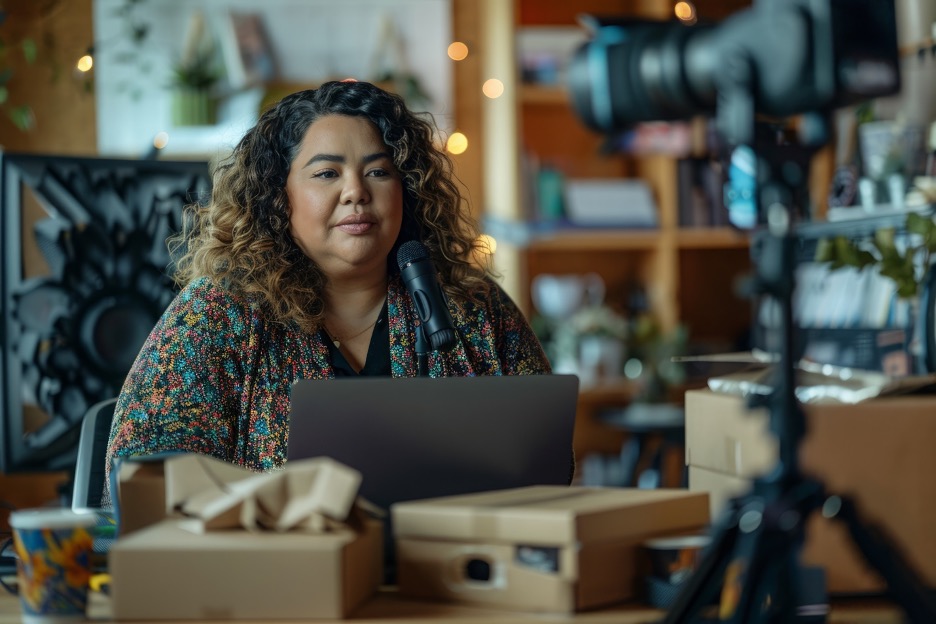
With the increase in plus-size content comes an unfortunate rise in hateful and fatphobic comments. About 90% of posts that are related to obesity receive negative feedback. While the body positivity movement has opened up conversations and opportunities for bigger people, it has also amplified misconceptions. One of the most common criticisms of fat liberation is that it “glorifies obesity.” Let’s get one thing straight: obese people sharing their experiences and showing self-love is not glorifying obesity. It’s advocating for respect and representation.
Fat phobia appears in how social media algorithms and audiences treat plus-size creators. Creators often find their identities reduced to comments about their weight. Content focuses on the creator’s size. Posts that feature “dressing for your body type” or “journey to losing weight” get the most engagement. If a plus-size creator talked about unrelated topics like skin care, hobbies, daily life, or anything else, their videos would struggle to gain traction. Meanwhile, thinner creators can talk about anything and still get widespread support and engagement. This dynamic sends a harmful message that plus-size people are only valued when their content revolves around their size or their attempts to conform to societal beauty standards.
Social media has become an outlet for fat phobia in ways that are both overt and subtle. Comments on plus-size creators’ posts frequently include:
• Backhanded compliments (“You’re so brave for wearing that,” “Couldn’t be me,” “So proud of you!”)
• Accusations of promoting an unhealthy lifestyle (“Don’t complain about your weight if you’re too lazy to go to the gym.”)
• Funny and creative yet harmful comments (“McDonald’s #1 customer.”)
Even though these plus-size creators often build strong communities of support, the negativity can overshadow their message. Fatphobia forces plus-size people to constantly have to defend their existence rather than simply live their lives.
Influencers to watch
If you’re looking for authentic plus-size influencers, here are a few who I watch:
Samantha is a YouTuber and TikTok influencer known for her relatable, hilarious content about going to the gym.
Sofie is a triple threat: comedian, podcaster, and author. Hagen wrote her first book in 2019 called Happy Fat – Taking Up Space in a World That Wants to Shrink You. She is on a podcast called Bad People.
Kayla is a content creator from Houston. Her content focuses on fashion, lifestyle, food, and beauty.
Sierra’s content focuses on travel and homestyle, incorporating fashion as well. It is very family-oriented.
It is really hard to stop the trend of fatphobia. As the body positivity movement continues, there is no correct answer as to what to do to change the mindset of others. Challenging the fatphobic comments can get exhausting. Instead, find creators who talk about topics that go beyond their weight. Show them that their voices and content matter. Follow creators of all body types – especially those who are challenging societal beauty standards. Learn about fat liberation and body positivity because the more you educate yourself, the more empowered you will be. When we start recognizing that every single body is worthy of respect, we can help create a world where plus-size women can exist online without judgment and stereotypes.




 In Full Figure
Leave a comment