Growing up, my mother and I had a rocky relationship. I’m sure it’s common among many mothers and daughters. For me, I had an unnecessary resentment towards her that I never understood. As a child, I kept wondering if my mother loved my sister more than she loved me. I always felt inferior to my sister. The more I reflect, the more I realize that the inferiority I felt was actually envy toward her for her good looks. Though my mother and I bridged the gap that kept us apart growing up, I could never help but wonder if I was ever correct in assuming that my mother felt resentment toward me because of my weight.
As a plus-size woman, I am very aware of how the world views me, but I didn’t see the pressure my mother faced trying to love and protect me in a society that judges both of us based on the size of our bodies—until now.
I finally had the courage to sit down on my living room couch and talk to my mother. I needed to understand how her perspective shaped mine.
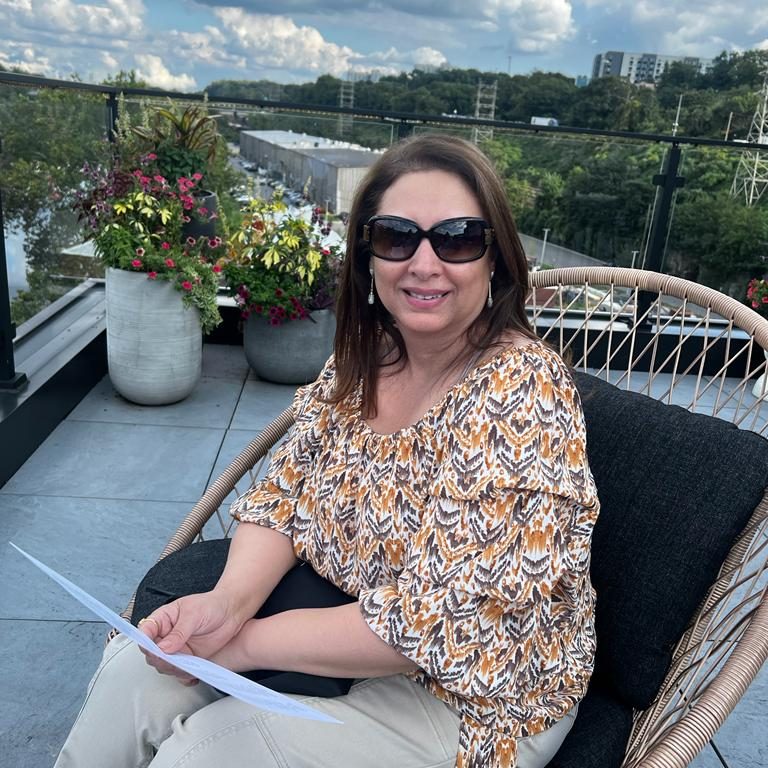
“I was scared when we found out you had congenital hypothyroidism,” my mother said. I had been diagnosed with hypothyroidism right after I was born. My mother had never heard of the condition before, but she did everything she could to take care of me. She was by my side through every blood test, doctor’s appointment, and all my frustrating moments.
I never quite understood what hypothyroidism was. My mother had tried to explain it many times, but I didn’t truly take the condition seriously until I was about 10 years old. All I knew was that I was constantly gaining weight, always feeling sluggish, and experiencing major brain fog.
For my mother, parenting a plus-size child meant navigating between promoting healthy habits and letting her child enjoy her childhood.
“There was always a conflict,” my mom recalls. “I wanted you to enjoy life, but I also wanted to push you to take care of yourself.” Every decision my mother made for me came with a fear that she was constantly disappointing me. It didn’t help that I was so angry at the time, so whenever my mother didn’t allow me to eat the same or do the same as my sister, I automatically resented her.
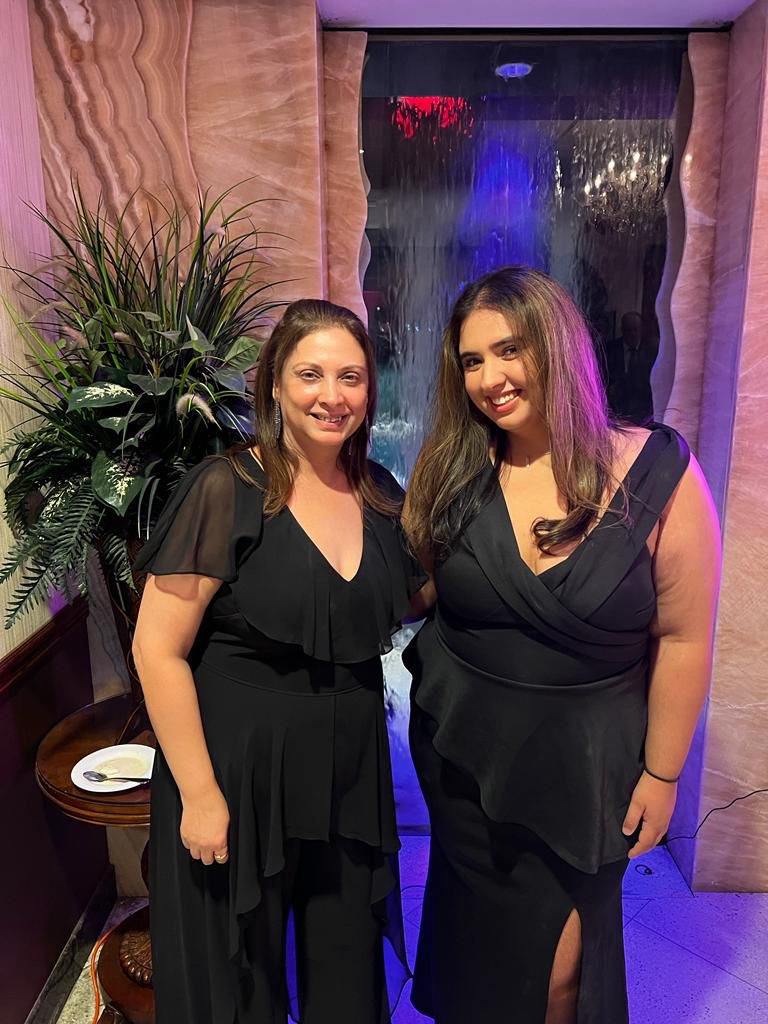
The older I got, the harder my lifestyle made it to maintain a routine. My mom knew that I had less time to cook and that I was eating fast food in between school, after-school sports, and theater practice. She told me she noticed the biggest change when I went to college.
She wasn’t wrong. I started having really bad eating habits going into college. I told myself in high school that I would lose weight at my university by walking, but instead, I had more access to junk food and DoorDash. I probably gained about 100 pounds since arriving at college.
Raising me also meant dealing with other people’s opinions on properly taking care of me. My mom told me that her immediate family members kept saying things like, How much is your child eating? Tell her to control it. Tell her to exercise. Their comments were hurtful and put my mom in a difficult position. “They didn’t understand that it’s not that easy to manage everything in day-to-day life. And of course you tried; it’s not that you never tried.”
My mom would constantly be frustrated with these conversations. “I wanted to defend you and tell them to leave you alone, but sometimes I took out my frustration on you instead. I’m sorry for that. I was angry because people were judging me as a parent. Many times, I was upset because I felt that you weren’t listening to me whenever I told you not to eat late at night, that junk food isn’t good for you, or to try to be healthy and walk after you eat. But I guess I transferred that anger onto you because people were telling me instead of telling you directly.”
My mom admitted the judgment was overwhelming. She is the type of woman who is never vulnerable, so hearing her talk about something she typically keeps to herself just made me respect her more.
Caring so much about physical appearance wasn’t a new subject for either me or my mom. We grew up in a culture that places immense importance on being thin. I asked her to reflect on her own upbringing to determine if this was a generational cycle and if she was even aware of it.
My mother shared that she didn’t realize that criticism about weight was a generational thing. Upon reflection, she said it was something that had been going on for a long time. “I heard from my mom (your grandmother) saying that she looked fat in her dress and needed to lose a little weight. I heard this from my mom, and I’m sure you’ve been hearing it from me, too. I did lose weight, but I was always looking for other people’s perspectives.” Our insecurities were intertwined, passed down without either of us fully realizing it.
Personally, I think parents don’t grasp that we, as children, idolize them. We think you are beautiful because our parents are ours. We don’t think about fat or skinny or anything until we are taught about it. So, when we watch our parents degrade themselves in front of us, we learn that those things they hate about themself will become things we hate about ourselves. This is something you hear from girls who eventually learn to love their curly hair.
If you had told me when I was 11 years old that I would be able to have a sit-down, open conversation with my mom about my struggles, I would’ve laughed in your face. But here we are, 10 years later, and I feel closer to my mom than ever before.
I asked my mother if she noticed the shift in our relationship.
“Initially, I could tell when something was wrong or bothering you, and you didn’t want to come and talk to me about it, so I would try and ask,” my mom said. “But now, with the way our relationship is going, I feel that you’re more comfortable coming to me and saying things rather than me asking you.”
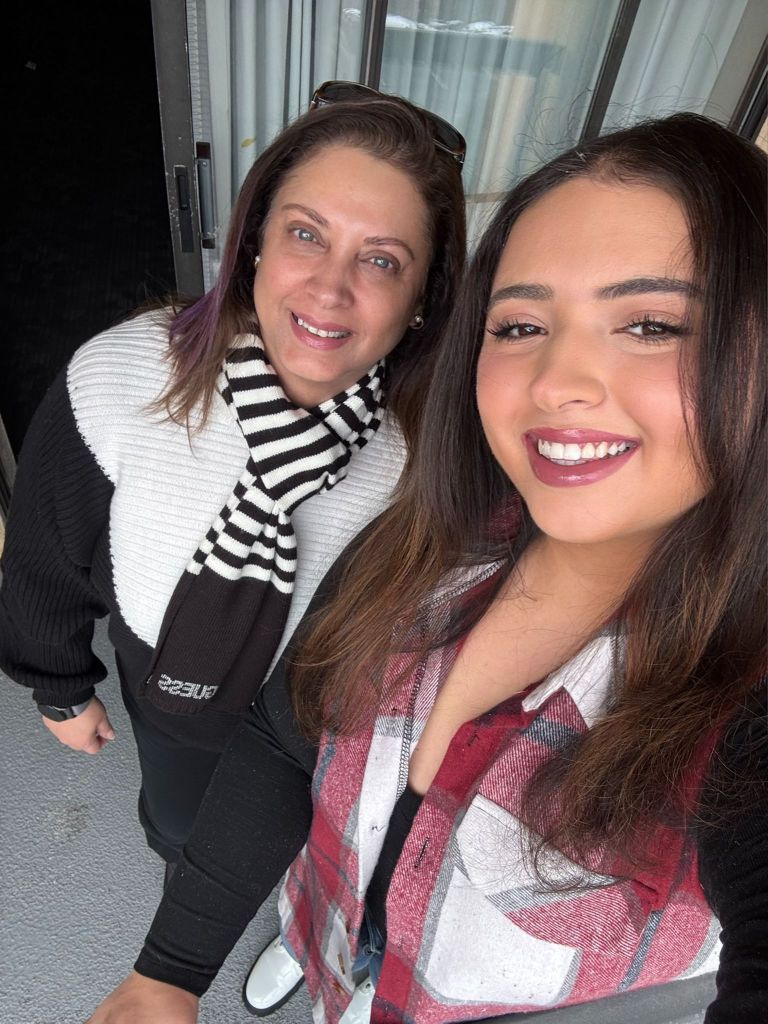
It’s important to recognize that this is the first time your parents are being parents. They are learning and growing just the same as we are. Being honest about how their words and actions make you feel is the easiest way to have a better relationship with them. I was lucky with my mom. She fell in love with someone who was overweight his entire life, so she knew the risks of obesity running in her family. My mom always believed that beauty lies in the eyes of the beholder. Your parents’ journey will not be without flaws, but it can be filled with love and understanding if you choose to have it.
Remember that while you give yourself grace, give your family grace, too.





 In Full Figure
Leave a reply to mary nitka Cancel reply